Well-Being Life - Education Migration / Blog
The Path Forward as More Schools Abandon IB
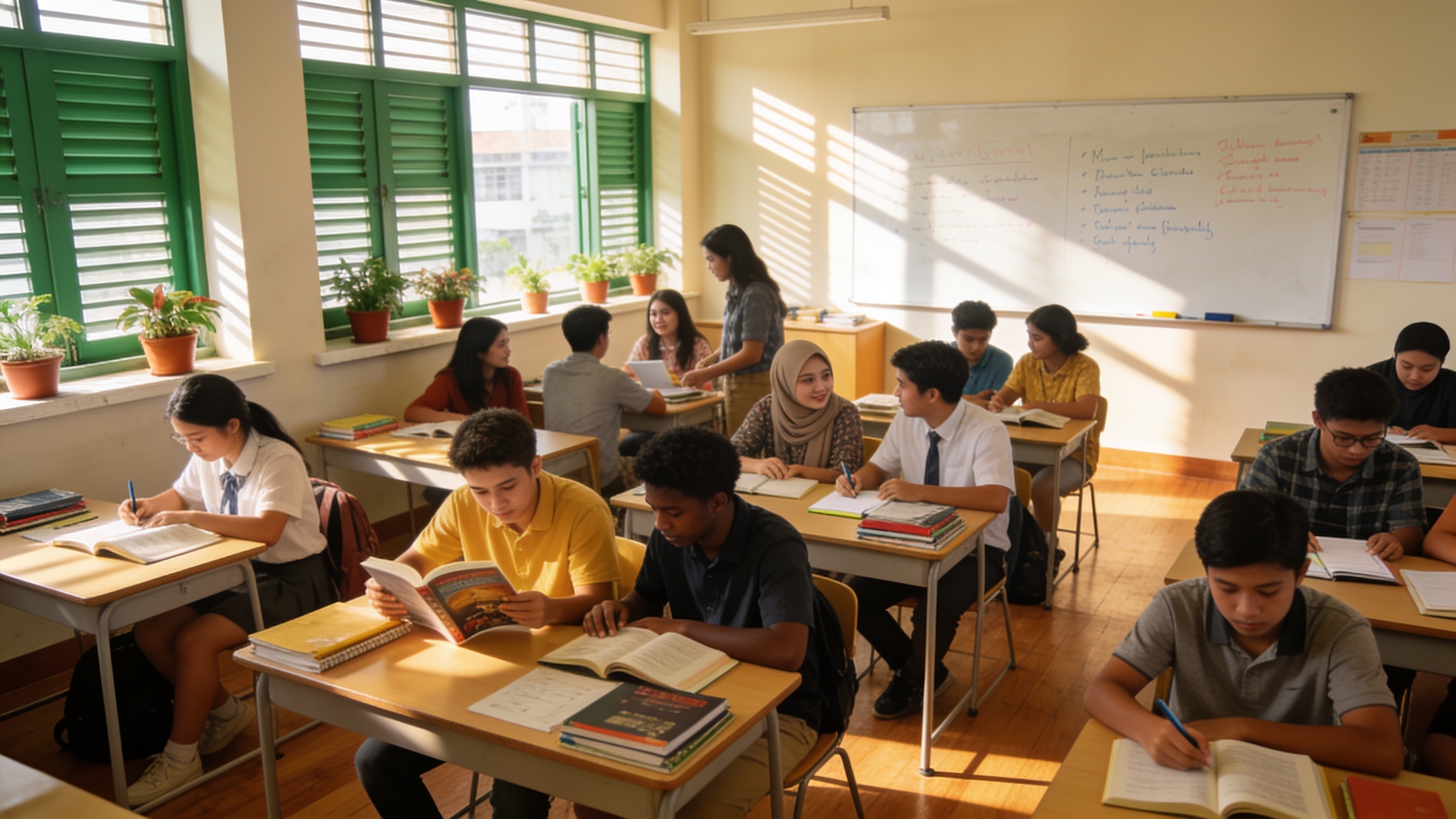
Japan's IB 200-School Target: Achieved, but at What Cost?
I recently read an article in Toyo Keizai Online about how, while Japan has met its goal of 200 IB schools, the number of Cambridge International schools is on the rise. The piece highlighted that many schools are abandoning IB programs due to financial burdens.
I'm Saori, and I've been living in Penang, Malaysia for three and a half years. My eldest daughter Hikari (born 2018) and son Zen (born 2020) attend international school here, giving me a front-row seat to international education every day.
While IB is expanding in Japan, the reality is far from smooth. Today, I want to explore this news with those of you considering education migration.
Why Is IB So Hard to Implement in Japan?
According to the article, introducing IB requires significant costs for teacher training and curriculum development. Public schools, in particular, face tight budgets, leading some to abandon their IB certification efforts.
Having worked as an elementary school teacher in Japan, I understand this challenge well. IB classes are completely different from traditional lecture-style teaching. Inquiry-based learning demands a major upgrade in teacher skills, and finding the budget and time for that training is no small feat.
On top of that, IB is primarily taught in English. Improving Japanese teachers' English proficiency is another huge hurdle. The result? A growing number of schools that aimed for IB but ultimately gave up.
The Rise of Cambridge International Schools: What It Means
Meanwhile, Cambridge International schools are on the rise in Japan. Cambridge offers the IGCSE and A-Level curriculum, which is generally considered easier to implement than IB.
The international school my children attend in Penang also follows the Cambridge curriculum. Hikari started preparing for IGCSE in earnest this year, and the school's support system is excellent.
What makes Cambridge so appealing is its flexibility. Students can choose their level for each subject, making it easier to nurture their strengths. Zen, for example, is strong in math, so he's tackling higher-level materials.
The Reality of International Education in Malaysia
Here in Penang, plenty of schools offer both IB and Cambridge. Having so many options is a huge advantage—you can choose a school that truly fits your child's needs.
In our case, we initially considered IB schools. But after thinking about Hikari's personality and learning style, we decided Cambridge was a better fit. IB is centered on inquiry-based learning, requiring students to choose their own topics and dig deep. Cambridge, on the other hand, offers a great balance—building a solid foundation while also developing practical skills.
Tuition at Malaysian international schools is far more affordable than implementing IB in Japan. According to the latest exchange rates (1 MYR = 39.41 JPY as of June 19, 2026), annual fees at a Penang international school range from roughly 80 to 150 man yen (approx. $5,300 to $10,000 USD). That's dramatically cheaper than attending an IB school in Japan.
How Education Migration Expands Your Options
Japan's IB 200-school plan is certainly an achievement. But knowing that some schools had to give up on IB along the way stirs mixed feelings in me as a former educator.
I see education migration not as a luxury, but as an investment in my children. Given Japan's structural risks, pursuing international education abroad is a rational choice. Malaysia, in particular, stands out for its excellent cost-performance and multicultural environment.
Hikari and Zen are learning English at school while also being exposed to Malay and Mandarin. Our third child, Yukari (born August 2024, now 1.5 years old), is just starting to pick up words. Thinking about the future these kids will have, growing up in this environment, fills me with excitement.
In Summary: Choosing the Right Education for Your Child
IB or Cambridge? Japan or abroad? Educational options are more diverse than ever, but what matters most is whether they suit your child's unique traits.
While Japanese schools struggle with IB adoption, the growing presence of Cambridge shows that educational diversity is expanding. As parents, our role is to gather information and choose the best environment for our kids.
If you're curious about education migration, start by visiting local schools. You're bound to discover something new. I'll keep sharing my real-life experiences from Penang, so stay tuned!