Why China’s Ultra-Rich Are Choosing Japan
Hi, I’m Saori. I’m raising three kids in Penang, Malaysia, while sharing the real story of education migration.
The other day, I came across a fascinating article: “Why China’s ultra-rich are secretly sending their children to Japan’s top boarding schools.”
The reasons behind this choice reveal a shift in education strategies across Asia.
The “Secret” Behind the Move
What caught my attention was the word “secretly.” China’s ultra-rich don’t openly send their kids to Japanese boarding schools.
The reason is simple. In China, sending children abroad for education can be criticized as “exporting education.” Plus, if their wealth becomes known, their kids could become targets.
When our family decided to move to Malaysia, people asked, “Why are you giving up on Japan?” But we weren’t “giving up on Japan”—we were simply choosing an environment that expands our children’s potential.
The Value of Japan’s Boarding Schools
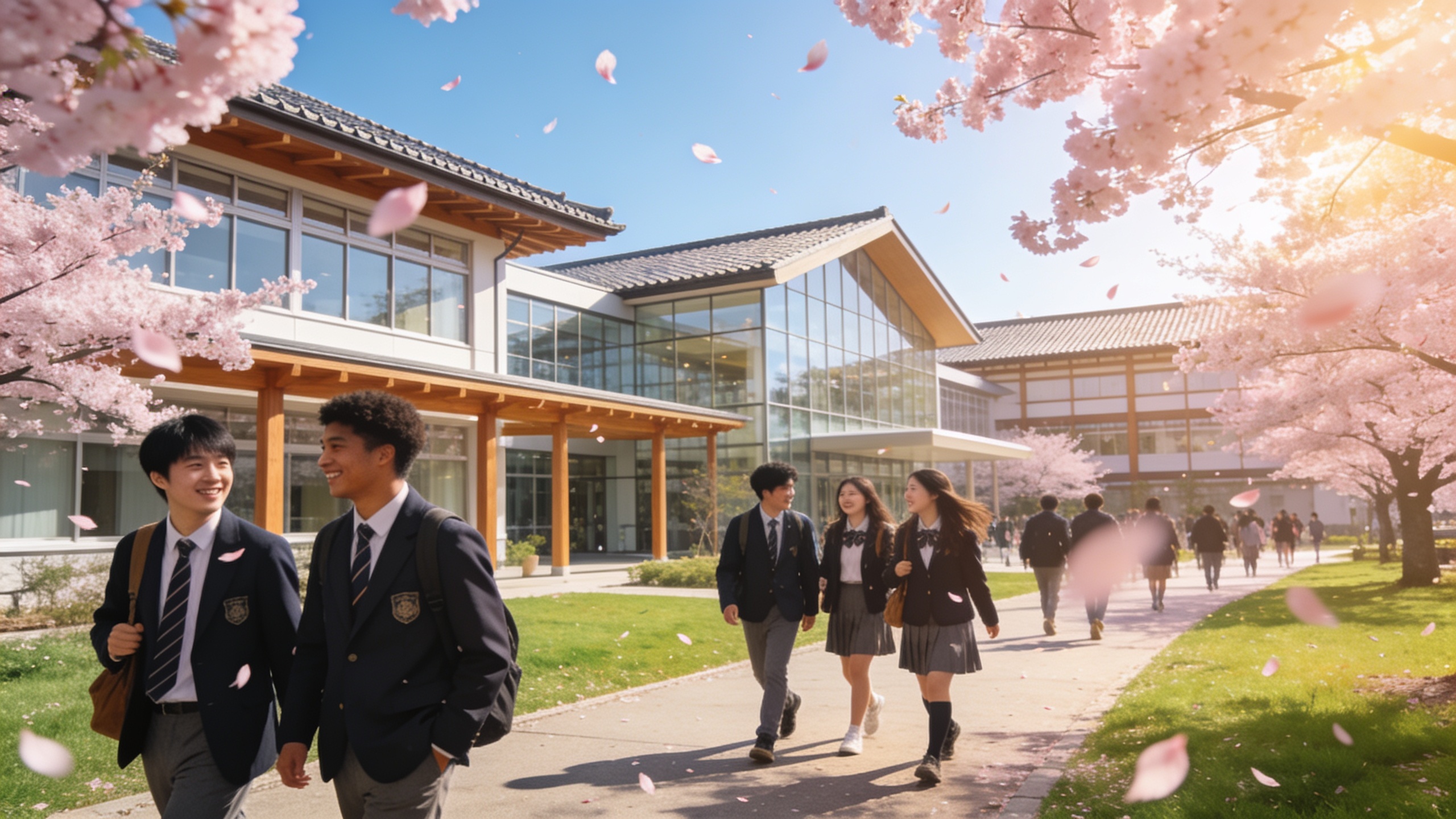
When you think of Japan’s elite boarding schools, names like Gakushuin or Seiko Kokusai come to mind. There are several reasons why these schools attract China’s wealthy.
A Safe, High-Quality Learning Environment
Japan boasts one of the safest environments in the world. For China’s ultra-rich, their children’s safety is the top priority.
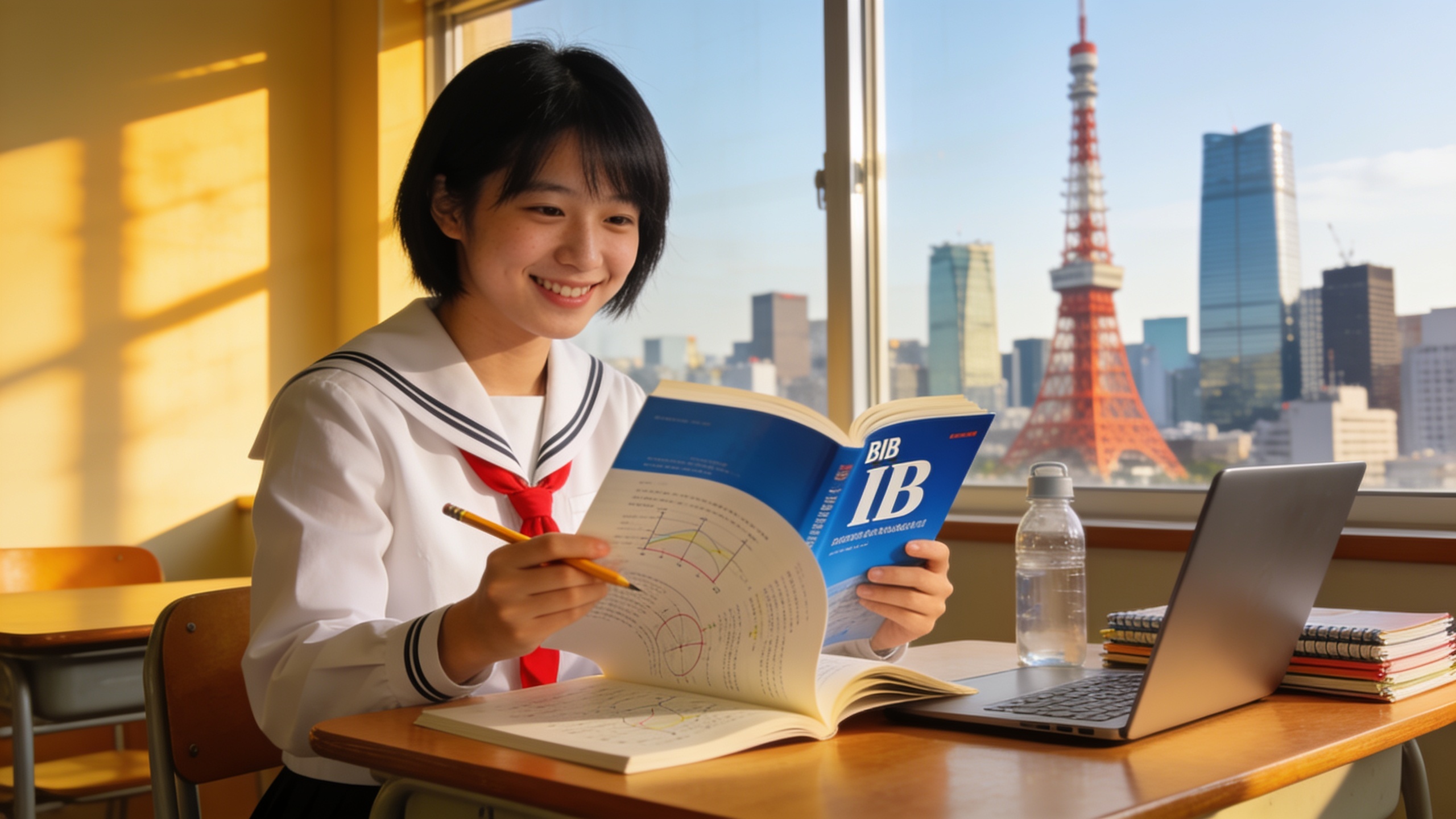
Moreover, more Japanese boarding schools are adopting international curricula like the IB (International Baccalaureate). Kids can learn in English while absorbing Japanese discipline and culture. This “dual value” is highly prized.
A Middle Ground Between China and the West
Traditionally, China’s ultra-rich sent their kids to elite boarding schools in the US or UK. But with rising US-China tensions and visa difficulties, Japan has emerged as a “safe middle ground.”
It’s geographically close, with just a one-hour time difference. Culturally, sharing the Chinese character system makes it easier for kids to adapt. These are major advantages.
What a Comparison with Malaysia Reveals
Let me analyze this trend from my perspective as someone living the education migration experience in Malaysia.
Cost Differences
Annual fees for Japanese boarding schools range from about 3 to 5 million yen. In contrast, international schools in Penang, Malaysia (like Uplands) charge around 800,000 to 1.5 million yen per year.
Even with boarding costs included, Malaysia is overwhelmingly more affordable.
Based on the latest exchange rate (1 MYR = 39.47 JPY as of June 15, 2026), Penang international school fees are roughly 3.15 to 5.92 million yen annually. When you factor in boarding, it’s comparable to or slightly cheaper than Japanese boarding schools.
The Value of a Multicultural Environment
Japanese boarding schools tend to have communities centered around Japanese and Chinese students. In contrast, Malaysian international schools naturally offer a multicultural mix of Malay, Chinese, Indian, and expat children from around the world.
Our eldest daughter, Hikari (born 2018), and son, Zen (born 2020), interact daily with friends from diverse cultural backgrounds at their Penang international school. This “natural multicultural experience” may be a value that’s hard to replicate in a boarding school setting.
Learning from the Wealthy’s Education Strategy
China’s ultra-rich aren’t just “escaping” by choosing Japan. They view their children’s education as a “family dynasty strategy.”
The Importance of an International Curriculum
Japanese boarding schools adopting the IB (International Baccalaureate) is a major selling point. The IB is a globally recognized curriculum, allowing graduates to apply to universities worldwide.
IB is also mainstream in Malaysian international schools. The school Hikari and Zen attend incorporates IB elements into its lessons.
Having an Exit Strategy
China’s ultra-rich always think about an “exit strategy.” Japanese boarding schools function as a “middle ground” where kids can either return to China or pursue higher education in the West.
We share the same mindset. We’re building a foundation in Penang, with an eye on potentially moving to a more academically rigorous environment like ISKL in KL. A gradual migration strategy minimizes risk.
The Essence of Education Migration
What this news reveals is that education migration is no longer a “luxury for the rich” but is increasingly seen as a “rational risk hedge.”
China’s ultra-rich chose Japan. We chose Malaysia. The destination may differ, but the goal is the same: to provide an environment that maximizes our children’s potential.
A Real Voice from Penang
Living in Penang, what strikes me is the city’s “just-right” balance. It’s not too urban, not too rural. It’s an English-speaking environment, yet the strong Chinese community helps preserve an Asian identity.
Our youngest, Yukari (born August 2024), is still a toddler and not in school yet. But watching the older two grow, I truly feel this environment suits them perfectly.
Summary: Broadening Your Options
The surge of China’s ultra-rich into Japanese boarding schools highlights the intensity of educational competition across Asia.
Japanese education alone isn’t enough. So they go abroad. This isn’t a “rejection of Japan”—it’s an “investment in their children’s future.”
If you’re considering education migration to Malaysia, I highly recommend visiting local schools in person. Feeling the actual atmosphere can dramatically change your perspective.
Education migration is a perfect opportunity to rethink your family’s entire life design. Find the strategy that works best for your family.

Comments