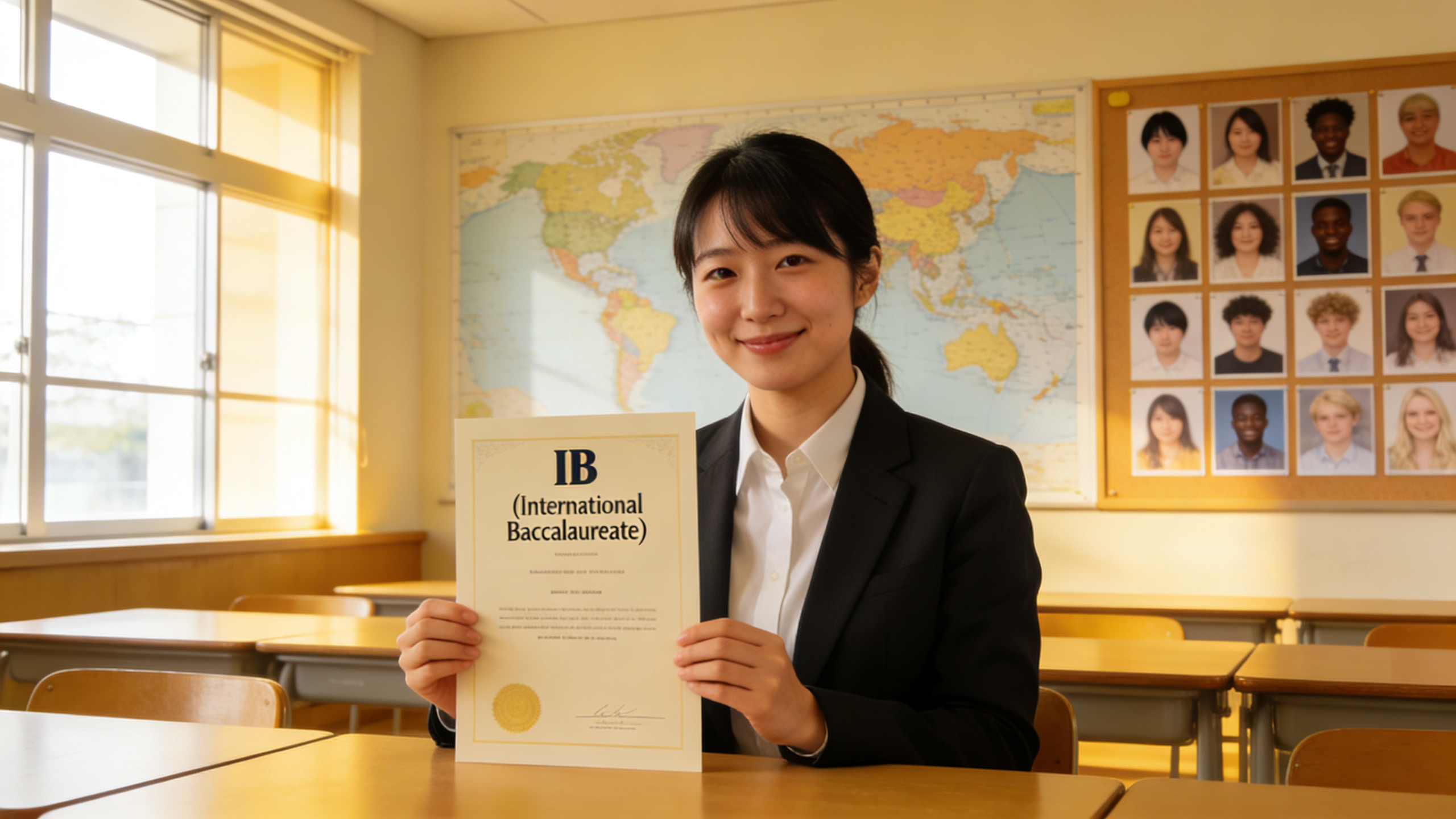
What the First IB Teacher Training Certification for a Women’s University Signals
Hello, everyone. I’m Saori, based in Penang, Malaysia.
Recently, news broke that Sagami Women’s University has received official certification for its International Baccalaureate (IB) teacher training program. This is reportedly the first such certification for a women’s university in Japan.
This news holds important implications for those considering education migration. Why? Because the single biggest factor determining the quality of IB education is the quality of its teachers.
Personally, watching Hikari and Zen’s education at an international school in Malaysia, I’ve come to realize firsthand how a teacher’s IB experience directly impacts a child’s learning.
The Reality of the IB Teacher Shortage
In fact, there is a chronic shortage of IB teachers worldwide. According to the IB organization, while the number of IB schools is increasing year by year, the development of high-quality teachers to keep pace has not kept up.
In Japan, in particular, the number of IB schools is still limited, so the number of universities offering IB teacher training programs has also been restricted. Sagami Women’s University’s recent certification can be seen as a step toward changing this trend.
Even here in Malaysia, where I live, the competition for excellent IB teachers is fierce. I feel that the differences in teacher quality between schools are largely due to this supply-demand imbalance.
Teacher Quality Determines Your Child’s Future
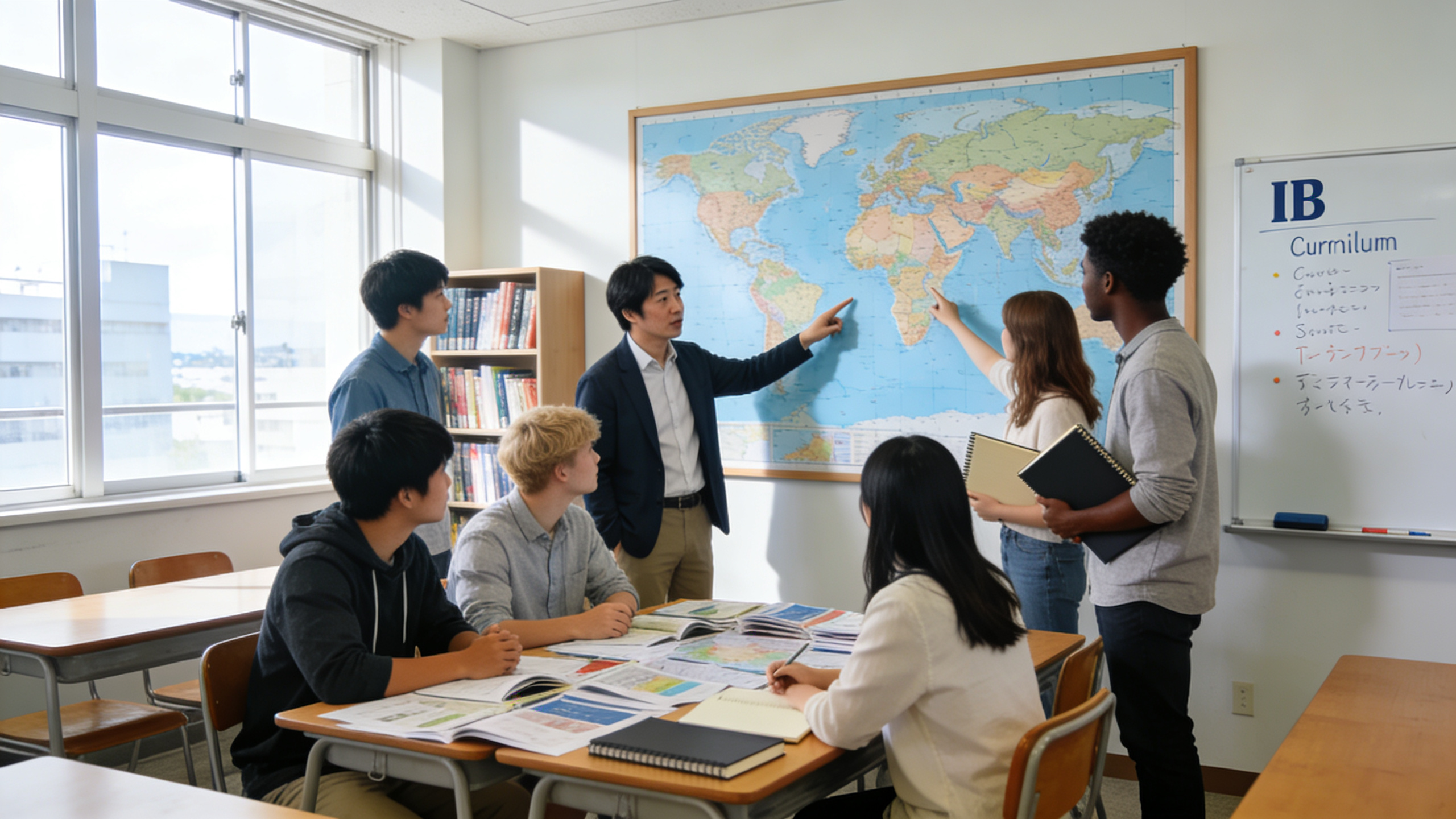
IB education is not just about cramming knowledge. It aims to cultivate critical thinking and a spirit of inquiry.
Therefore, teachers themselves need to deeply understand the IB philosophy and possess the skills to design lessons accordingly. Simply attending IB training is not enough; it’s the “experience” gained through actually teaching at an IB school that truly makes a difference.
Even at Hikari’s school, the depth of lessons is clearly different between classes taught by teachers with extensive IB experience and those without. Teachers rich in IB experience are truly skilled at drawing out a child’s “why?” and developing it into an inquiry.
Benefits of Advancing IB Teacher Training in Japan
What’s noteworthy about this news is that it signals the full-scale development of IB teacher training within Japan. Until now, aspiring IB teachers had to study at overseas universities or gain practical experience at an IB school.
However, if systematic IB teacher training programs become available at Japanese universities, more teachers will have the opportunity to learn about IB education.
This will not only improve the quality of IB schools in Japan but also raises hopes for an increase in Japanese teachers working at international schools abroad, like in Malaysia, in the future.
A New Factor to Consider When Thinking About Education Migration
For those of you considering education migration, I strongly recommend checking the “quality of teachers” when choosing a school.
Specifically, it’s a good idea to confirm the following points:
* Teachers’ years of IB experience
* Frequency of participation in IB workshops and training
* Teachers’ countries of origin and diversity
* The school’s investment in teacher training
An increasing number of international schools in Malaysia are actively recruiting Japanese teachers. For children who need Japanese language support, having a Japanese IB teacher can be a great reassurance.
The Ideal Teacher Profile for International Schools in Malaysia
International schools in Malaysia strongly demand “multicultural understanding” and “flexibility” from their teachers. Because students come from a wide variety of countries, teachers who don’t cling to a single set of values are highly valued.
The Japanese teachers I know are always thinking about how to engage with children from different cultural backgrounds, in addition to their IB experience.
Perhaps Sagami Women’s University’s program is also expected to cultivate teachers with this kind of international perspective.
Keep an Eye on the Future Expansion of IB Education
As of May 19, 2026, 1 Malaysian Ringgit equals approximately 40.18 Japanese Yen. Tuition fees at international schools in Malaysia range from about 800,000 to 1,500,000 JPY (approx. $5,300 to $10,000 USD) per year, offering exceptional value compared to Singapore, Europe, or the United States.
However, choosing a school based solely on cost is risky. Developing an eye for assessing educational quality, especially teacher quality, is key to selecting the best environment for your child.
Sagami Women’s University’s initiative is encouraging news for the future of IB education in Japan. I hope this trend leads to an increase in IB schools within Japan and a rise in the number of Japanese IB teachers working overseas.
For those of you considering education migration, I encourage you to re-evaluate schools from the perspective of “teacher quality.” I’m sure you’ll discover something new.

Comments