- The True Nature of an “Investment” That Can’t Be Measured by Tuition Alone
- The Reality Where “Going to a Friend’s House to Play” is Difficult
- Investing in the “Community” Built by Parents
- The “Complexity” of Social Development in a Multicultural Environment
- What My Youngest, Yukari, Taught Me About the Importance of Early Childhood
- How to Identify and Budget for the “Hidden Costs”
- The Most Valuable Things Are Often Invisible
The True Nature of an “Investment” That Can’t Be Measured by Tuition Alone
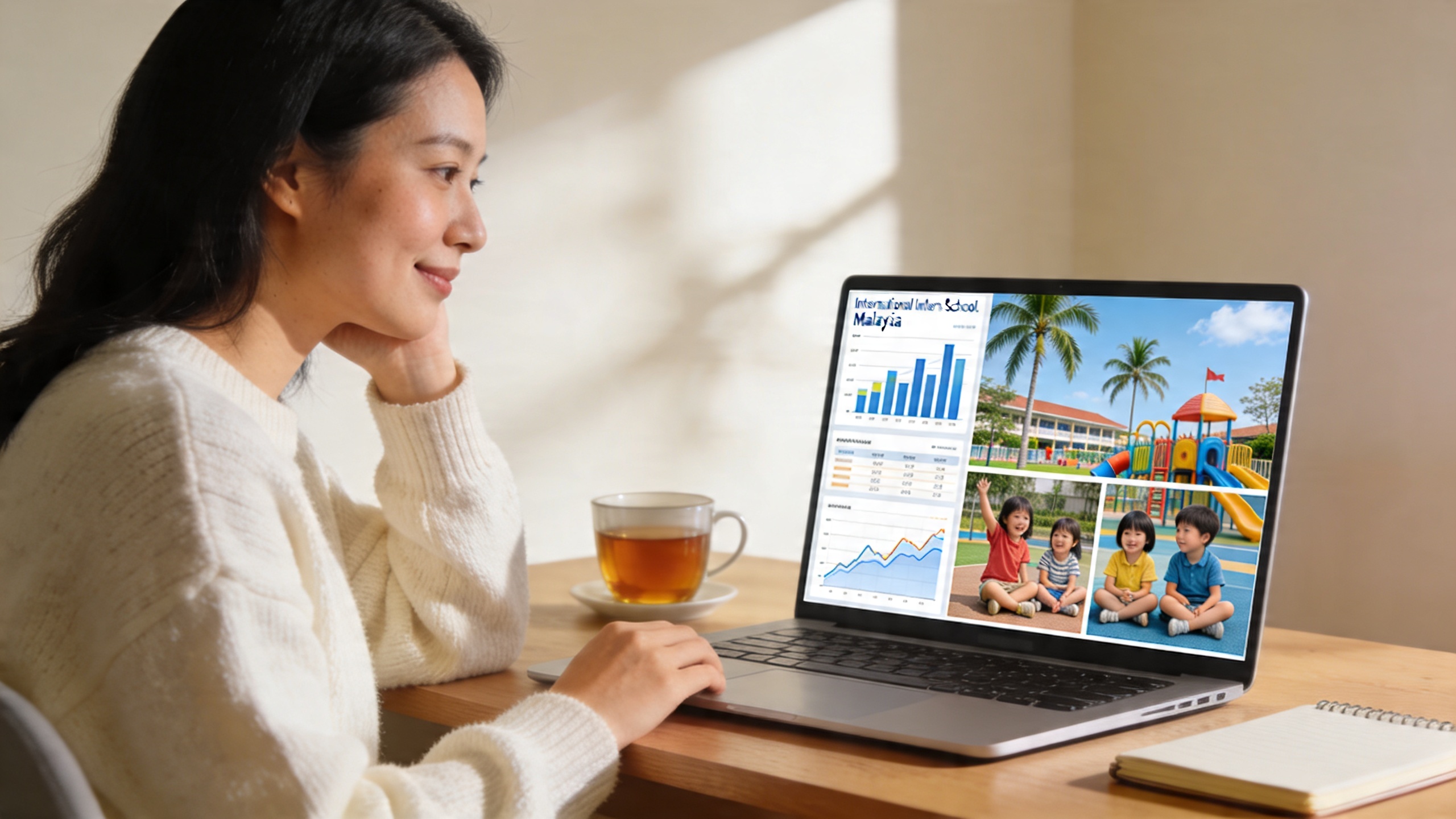
When considering education migration, tuition fees are often the first thing people look at. It’s true that international school fees in Malaysia are relatively affordable compared to those in Japan or Western countries. However, raising three children has taught me that the most important “investment” doesn’t appear on the tuition invoice. It’s the investment in the very environment that nurtures a child’s “social development.” Today, I’d like to share my experiences regarding this elusive yet critically important cost.
The Reality Where “Going to a Friend’s House to Play” is Difficult
When my eldest daughter, Hikari, started attending an international school in Penang, I noticed something. Compared to our life in Japan, opportunities for children to casually visit friends’ houses after school or on weekends were extremely rare. There are several reasons for this. First, residential areas are spread out. Classmates live in various parts of the island, and some even commute from the mainland across the bridge. A 30-minute or one-hour drive is a normal distance.
Second, family circumstances play a role. Many families have both parents working, and it’s not uncommon for a maid to take care of the children. The culture of casually inviting someone over with a “Can you come play today?” doesn’t seem as prevalent as in Japan. When Hikari says she wants to go to a friend’s house, it starts with messaging between parents, scheduling, and arranging transportation. This means that even a simple playdate involves a “cost” of parental time and effort.
Investing in the “Community” Built by Parents
A child’s social development isn’t confined to school hours. How they spend their time after school and on weekends has a significant impact. I call this the “second classroom.” To make this classroom meaningful, active parental involvement is essential. This specifically involves building relationships with other parents in the class, researching extracurricular activities and arranging transportation, and creating opportunities for children to play together.
My eldest son, Zen, loves soccer. Finding a quality soccer club in Penang, taking him for trials, and handling the drop-offs and pick-ups—all of this costs time and gas money. However, the friends he makes at the club create bonds different from those at school. It also becomes a valuable opportunity to interact with children of different ages. Access to this “extracurricular activity community” is heavily influenced by location and access to information. Whether you live in the city center or the suburbs changes the range and quality of options available.
According to the latest exchange rate (as of April 21, 2026), 1 Malaysian Ringgit = 40.24 Japanese Yen. If an extracurricular activity costs 500 Ringgit per month, that’s about 20,000 JPY. Factoring in transportation time and costs, the total “investment amount” increases further.
The “Complexity” of Social Development in a Multicultural Environment
International schools in Malaysia are, by definition, multinational and multicultural. Hikari and Zen’s classes include Malaysian children (Chinese, Malay, Indian), Koreans, Japanese, children from Western countries, and more. While this is a wonderful environment, it also adds complexity to social development. Playstyles, food, celebrations, and even communication styles and personal space can differ based on culture and religion.
For example, when visiting a friend from an Islamic family, there may be considerations regarding clothing and behavior. It’s also a parent’s role to talk with their child about their friends’ important holidays, like Chinese New Year or Deepavali, and help them understand. The very process of parent and child learning this “multicultural literacy” together could be considered a hidden cost. It requires time and mental space.
However, this investment yields significant returns. Children naturally learn to respect differences and develop adaptability. This is a precious form of social competence that forms the foundation for thriving globally in the future.
What My Youngest, Yukari, Taught Me About the Importance of Early Childhood
My younger daughter, Yukari, is only one and a half and doesn’t attend school yet. The main places for nurturing her social skills are parks, parent-child gatherings, and family. Living in Malaysia, I’ve noticed that public facilities for infants and toddlers, or easily accessible local parenting circles, are more limited compared to Japan. Consequently, you either need to proactively create your own community or utilize paid playgroups or early childhood classes.
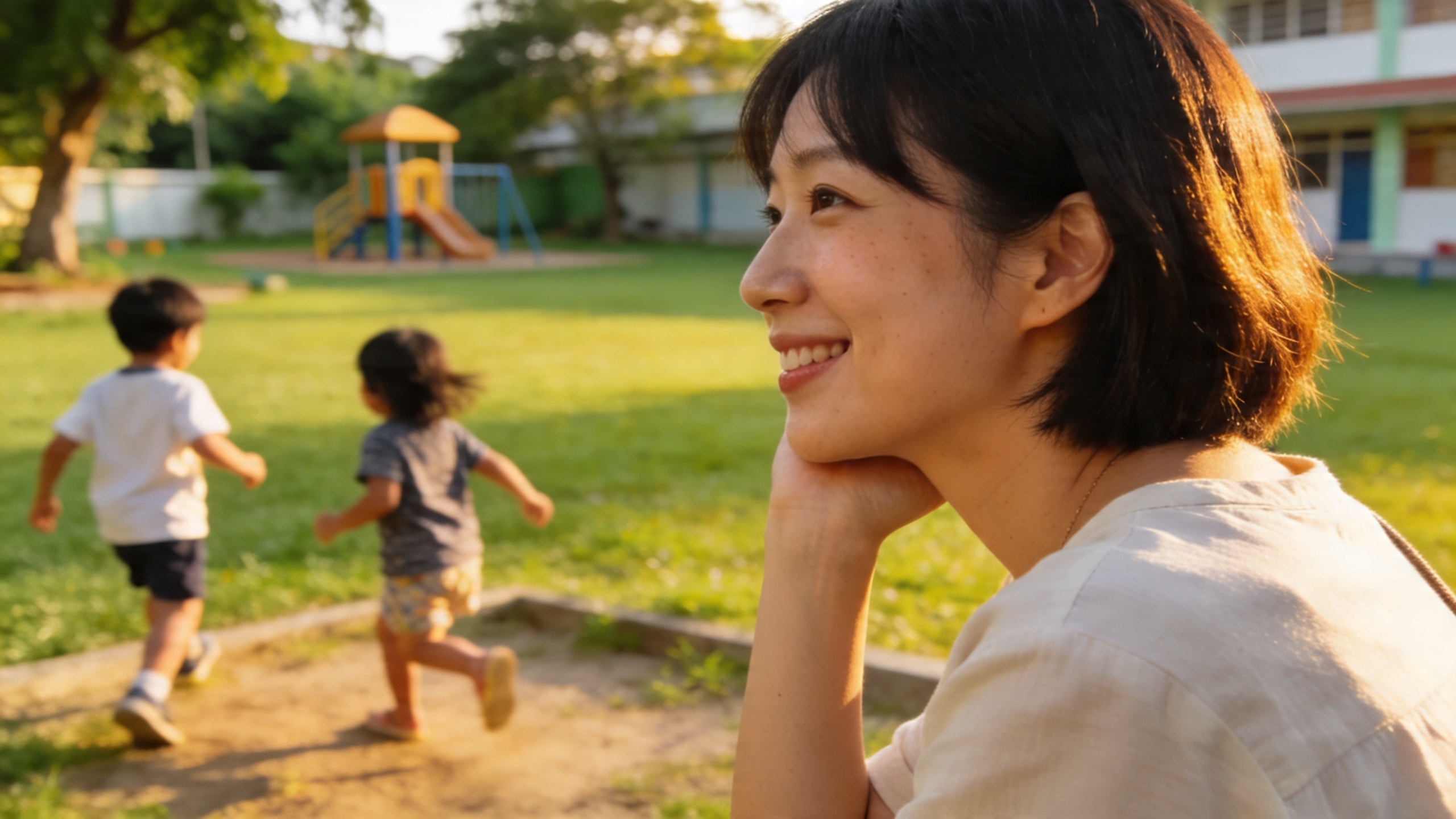
When I take Yukari to the park, she interacts with children and parents of various ethnicities. This “park debut” is also a small-scale international exchange. She learns to share toys and play in the sand together, even without fully understanding the language. I feel that simply being in such an environment from an early age is an advance investment in her social development. As a parent, I need to actively seek out and take her to places where she can be safe while receiving plenty of stimulation.
How to Identify and Budget for the “Hidden Costs”
So, how can we incorporate these “hidden costs” for nurturing social development into our migration plans? While it’s difficult to reduce them to simple numbers, I recommend considering the following perspectives.
First, recognize the “time cost.” The amount of time parents must dedicate to supporting their children’s relationships is enormous. Especially right after moving, it’s crucial to ensure you have plenty of this time available. Please factor this in when considering your work style or the availability of domestic support (like a maid).
Next, establish an “activities budget.” Separate from tuition, consider a monthly budget for extracurricular activities, family trips, and activities with friends. This varies greatly depending on family values. In our household, we position this budget as “human capital investment” and consider it an important expense.
Finally, evaluate the intangible asset of “community-building capability.” Consider how much energy and aptitude you and your spouse have for building a network in a new environment. This can’t be bought with money, but it’s a crucial factor that shapes the foundation of your child’s social development.
The Most Valuable Things Are Often Invisible
Discussions about education migration tend to focus heavily on “visible costs” like tuition, rent, and cost of living. Of course, these are important points of comparison. However, watching the daily growth of Hikari and Zen, I see that what truly enriches a child’s life is interaction with diverse friends, adaptation to different cultures, and influences from adults outside the family. Creating an environment that fosters these things undoubtedly involves invisible costs.
There’s no need to fear these “hidden costs.” Rather, I believe that recognizing them and having the resolve to invest in them proactively is a factor that determines the success of education migration. Because investing in the parts that don’t show up in numbers builds the true “assets” within a child—the inner resources needed to thrive in the world. When considering a move, I encourage you and your family to also discuss this important investment that lies behind the amounts printed on invoices.
Comments