
Hello. I’m Saori, living in Penang, Malaysia, with my three children attending an international school.
The other day, a piece of news caught my eye. It was about Principal Kun of Musashi International School Tokyo (MIST) being a speaker at the “Cambridge East Asia Schools Conference” to be held in 2026.
Reading this news made me pause. For us parents considering educational migration, “what the school head says and on what kind of international stage” becomes an extremely important indicator for discerning the school’s true essence.
Today, prompted by this news, I’d like to share my personal experiences and talk about a “hidden perspective” in choosing a school.
- A Head’s “External” Activities Shape What Happens “Inside” the School
- The Quality of the “Operating Body” is More Important Than the “Curriculum”
- The “Communication” We Prioritized in Our Family’s School Selection
- How to Overcome “Information Asymmetry” in Educational Migration
- Latest Exchange Rate Info and “Head’s Quality” as an Investment
- Choosing the “Environment” That Opens Up Your Child’s Future
A Head’s “External” Activities Shape What Happens “Inside” the School
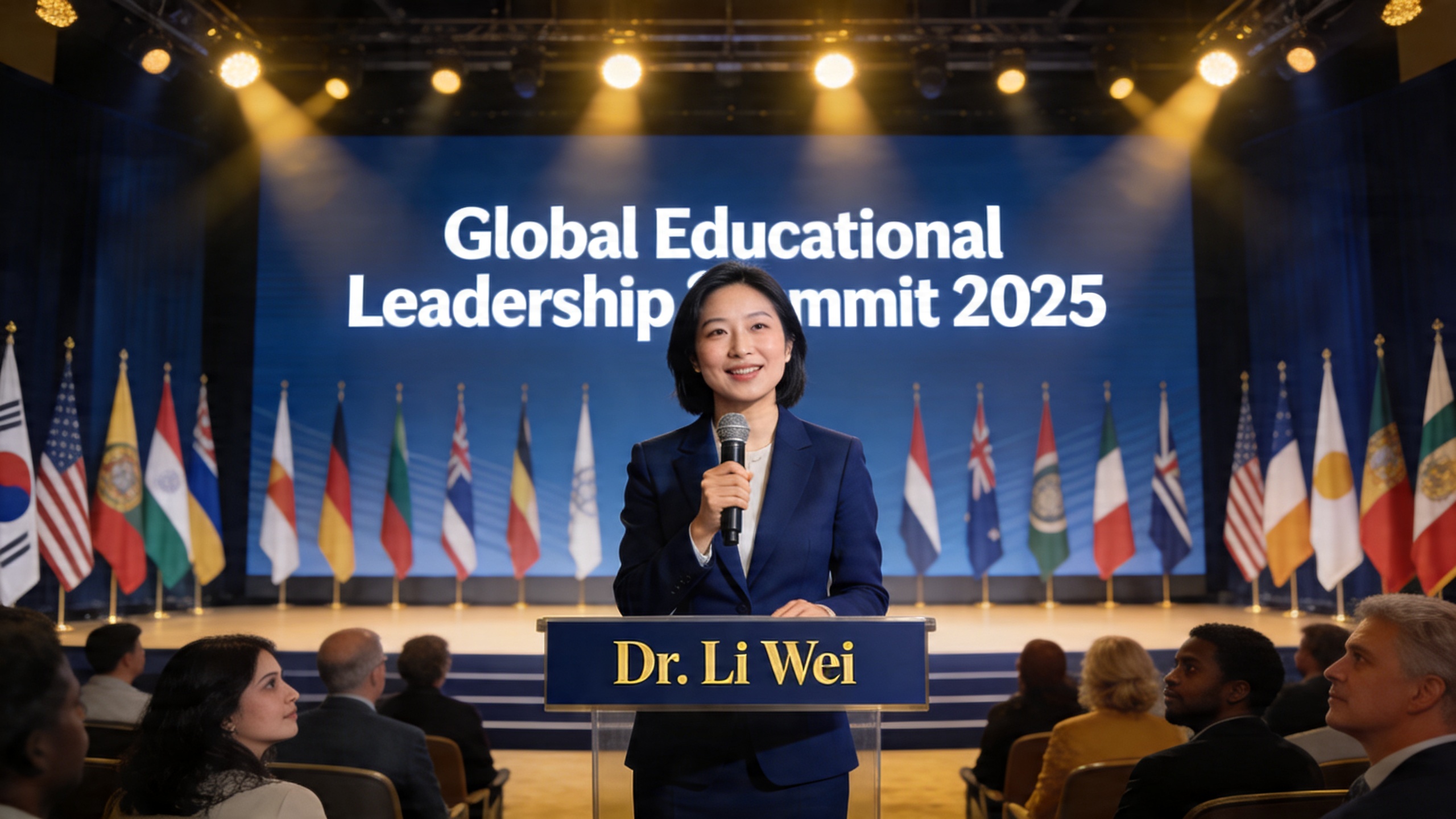
The “Cambridge East Asia Schools Conference” is a significant gathering of Cambridge International accredited schools in the East Asia region. A head being a speaker here means more than just an honor.
It is proof that the head participates in cutting-edge discussions in the educational world and possesses a network. The breadth of the head’s vision and the quality of their external connections directly impact the freshness of the school’s curriculum, the quality of the teaching staff, and, most importantly, the “opportunities” provided to students.
At my children’s international school in Penang, the head regularly attends educational conferences in Singapore and Kuala Lumpur. Upon returning, they share the latest educational trends acquired at these events in parent briefing sessions.
For instance, we get firsthand information not found in textbooks, like how to integrate AI into education or the latest methods in Social-Emotional Learning (SEL). I can feel the education “inside” the school being updated because the head breathes the “outside” air.
The Quality of the “Operating Body” is More Important Than the “Curriculum”
Those considering educational migration often tend to choose schools first based on curriculum—”Is it an IB school?” or “Is it Cambridge?” Of course, that is an important criterion.
However, even among “Cambridge schools,” the quality can be worlds apart. One of the biggest factors creating this difference is the vision and resources of the organization operating the school (the operating body).
The MIST in the news is part of the global education group “Cognita.” Cognita has schools worldwide, with shared resources and high educational standards. Schools belonging to such a global network often have advantages over standalone schools in areas like teacher training opportunities, material quality, and university placement support.
In Malaysia too, there are several international schools operated by similar global education groups. Tuition tends to be slightly higher, but in return, you gain the potential for stable quality and special opportunities like exchange programs with sister schools around the world.
When choosing a school, be sure to check the “About Us” section on the official website. Under what philosophy and by what kind of organization is the school run? There, you can see the school’s “sustainability” and “potential for growth.”
The “Communication” We Prioritized in Our Family’s School Selection
When choosing schools for my eldest daughter Hikari and eldest son Zen, one point I particularly emphasized was the school’s (especially the head’s and deputy head’s) attitude towards communication with parents.
During school visits, I always arranged opportunities to speak directly with the head or deputy head. What I asked about wasn’t just curriculum explanations.
- “How do you incorporate parents’ opinions into school management?”
- “How do you conduct continuous professional development for teachers?”
- “What support system is in place when a child faces difficulties at school?”
The specificity of their answers to these questions, and above all, the head’s gaze and passion while speaking, became my deciding factors. I could sense the school’s “temperature” and “culture,” which you cannot grasp from documents or website information alone.
I feel that schools whose heads actively communicate at international conferences generally also have open internal communication and a stronger inclination to listen to parents’ voices. Being able to communicate externally often means having transparency internally as well.
How to Overcome “Information Asymmetry” in Educational Migration
When choosing a school overseas, we inevitably battle “information asymmetry.” While word-of-mouth is available if you live locally, making a remote judgment from Japan is extremely difficult.
In such times, tracking the “outward-facing” activities of the head and the school becomes an effective research method.
- Check SNS and the school blog: What kind of content do the head or official school accounts post? Is there deep insight into education? Does the school’s daily life come across vividly?
- Research conference speaking records: Like in this news, do the head or teachers present at external academic conferences or seminars? This is an indicator of how committed the school is to educational research.
- Look at alumni “achievements,” not just destinations: Beyond just university names, does the school showcase in what fields and how its alumni are active afterwards? This tells the story of the kind of person the school aims to nurture.
This information provides clues to touch the school’s “true intentions” and “passion,” which aren’t found in brochures.
Latest Exchange Rate Info and “Head’s Quality” as an Investment
Educational migration is a long-term investment in your child’s human capital. When considering an investment, exchange rates cannot be ignored.
Latest Exchange Rate Information (As of April 16, 2026)
1 MYR = 40.21 JPY
Based on this rate, let’s consider international school tuition. For example, if the annual tuition at a mid-tier school in Penang is 50,000 MYR, that’s approximately 2.01 million JPY. Living expenses are on top of that.
What are we buying with this significant investment? Not impressive buildings or the latest facilities. Ultimately, it is an investment in “the educational environment created by excellent teachers and the outstanding head leading them.”
The head has an international network, accesses the latest educational insights, and leads the school with passion. As a result, teacher morale rises, and children gain stimulating, future-oriented learning. I believe this virtuous cycle is the greatest value we should be purchasing with our tuition fees.
Choosing the “Environment” That Opens Up Your Child’s Future
My children, Hikari and Zen, go to school vibrantly every day. What they enjoy is not just the opportunity to learn in English.
Friends with diverse backgrounds, open-ended questions from teachers, an atmosphere where they can challenge themselves without fear of failure. All of these are produced by the “culture” and “environment” that the school’s top leadership builds and nurtures.
Choosing a school for educational migration is precisely the task of selecting this “environment.” While curriculum, tuition, and location are important decision factors, by also looking at the quality of the “people” and “organization” driving them, you can make a more essential choice.
The next time you research a school, please try adding the perspective: “What vision does this school’s head have, and how are they connected to the world?” There, you should find a reliable clue to unlocking your child’s future.

Comments