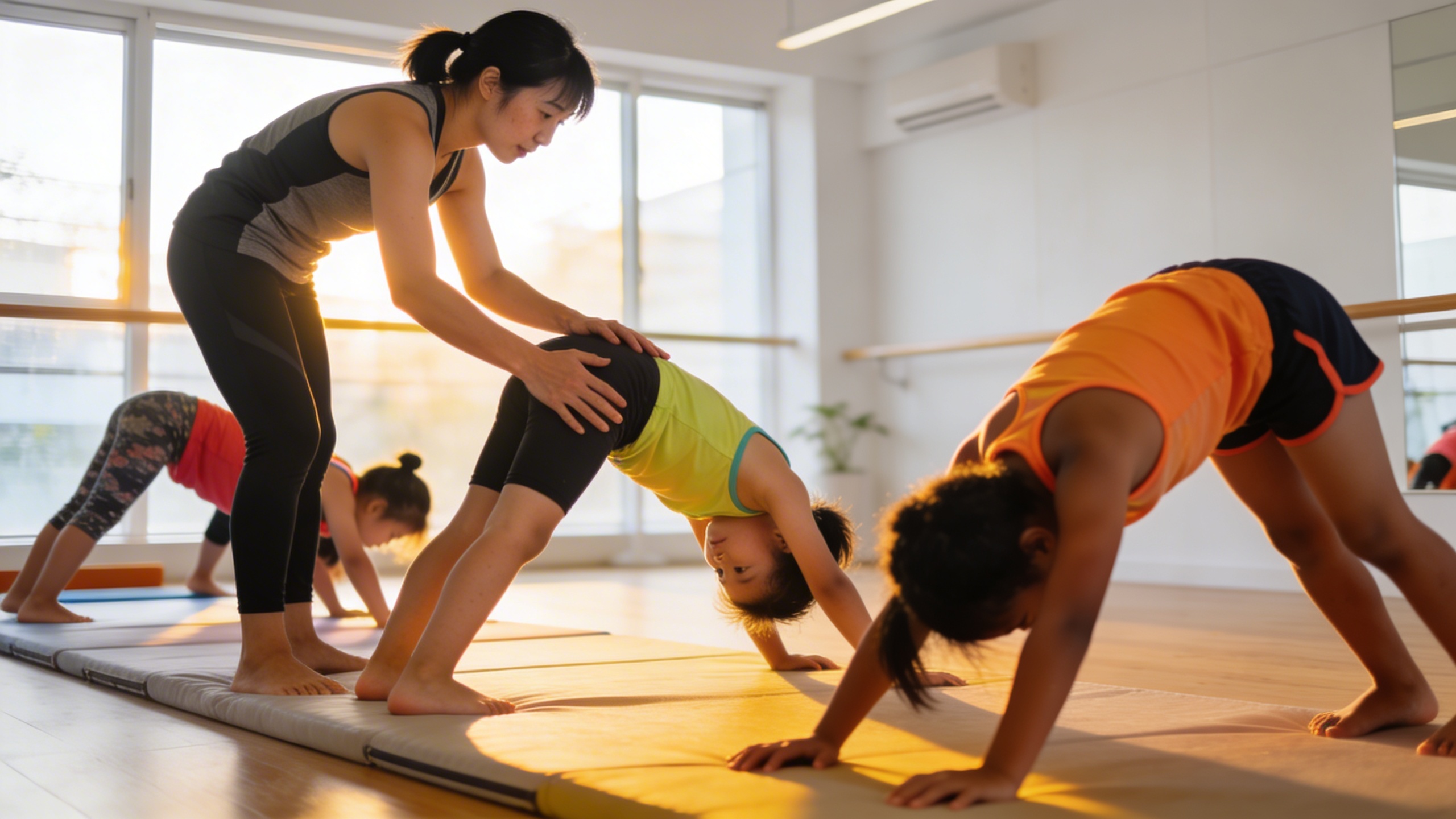
Hello. I’m Saori, a mother of three living in Penang, Malaysia. My eldest daughter Hikari and eldest son Zen attend an international school. My younger daughter Yukari is still just one and a half years old. When discussing education migration, the focus tends to be solely on “the children’s education.” However, from my three and a half years of experience, I’ve come to a firm conviction. The hidden success factor in education migration lies in the parents’ own “relearning.”
We Came for the Children, Yet the Parents Began Learning
Our family came to Malaysia, needless to say, for the children. However, once life here began, situations that forced us to relearn came one after another. First, it was the English necessary for daily life. Communications from school, conversations with neighbors, hospital visits. Everything was a new learning ground. I hold qualifications as a physiotherapist and a teaching license. But in Malaysia, I needed to reconstruct that knowledge in English. We came only for the children, yet before I knew it, I was studying intensely myself.
“Parental Learning” Changes the Child’s Environment
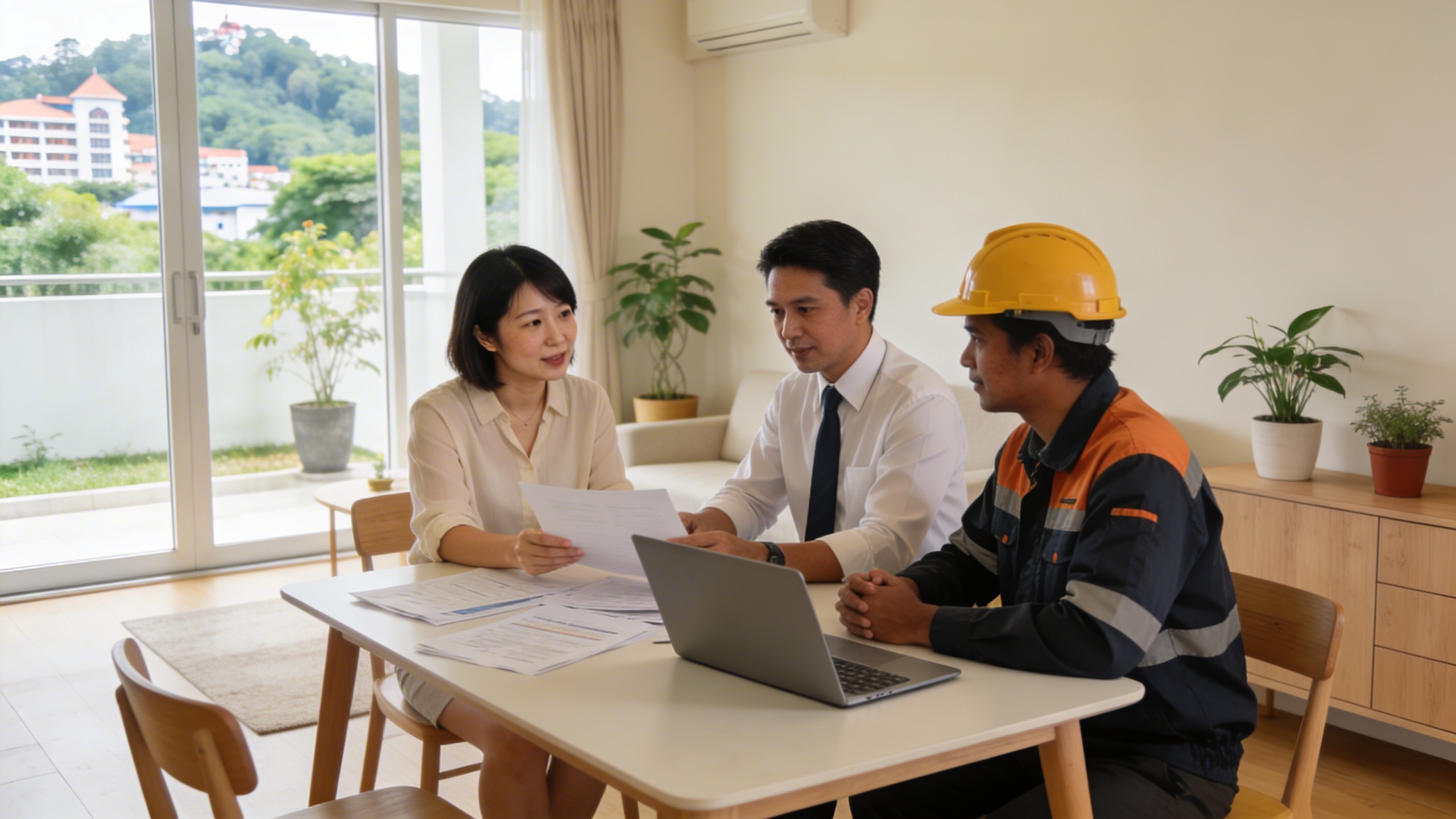
This learning is not merely self-improvement. When parents learn, the child’s environment itself changes. For example, my experience of learning business negotiation in English and being able to establish a Malaysian company. This is not just career advancement. It expanded our family’s visa options from a “dependent visa” to an “entrepreneur visa.” It also allowed us to take a more long-term view in choosing our children’s schools. The more deeply parents engage with the local society, the more naturally the children’s networks expand. This is because we can build relationships with Hikari and Zen’s friends’ parents, able to talk about work and community topics.
Three Layers of Learning: Language, Business, Culture
I believe parental relearning consists of three layers. The first is learning the “practical language.” The English proficiency needed for parent-teacher meetings and understanding the children’s learning content. The second is “business/career” learning. Exploring ways to earn income locally or honing skills to connect remotely with Japan. The third is “cultural/social” learning. Understanding Malaysia’s multi-ethnic society and finding a place for one’s own family. When these three overlap, education migration transcends mere “relocation.” It evolves into a “family strategy” that enhances the entire family’s human capital.
Malaysia is the Optimal Environment for Parental Relearning
Why is Malaysia well-suited for parental relearning? First, because costs are relatively manageable. According to the latest exchange rate information (as of March 15, 2026), 1 MYR = 40.48 JPY. This creates more financial breathing room compared to relearning while living in an equivalent international environment in Japan. Second, because diverse success models are close at hand. The Chinese diaspora have chosen cities for education and built businesses. Their examples are living textbooks on balancing education and economic activity. Third, because the risk of failure is relatively lower. Penang, with its moderate market size, is ideal for taking on significant challenges.
My “Relearning” Practice: Company Incorporation from Zero
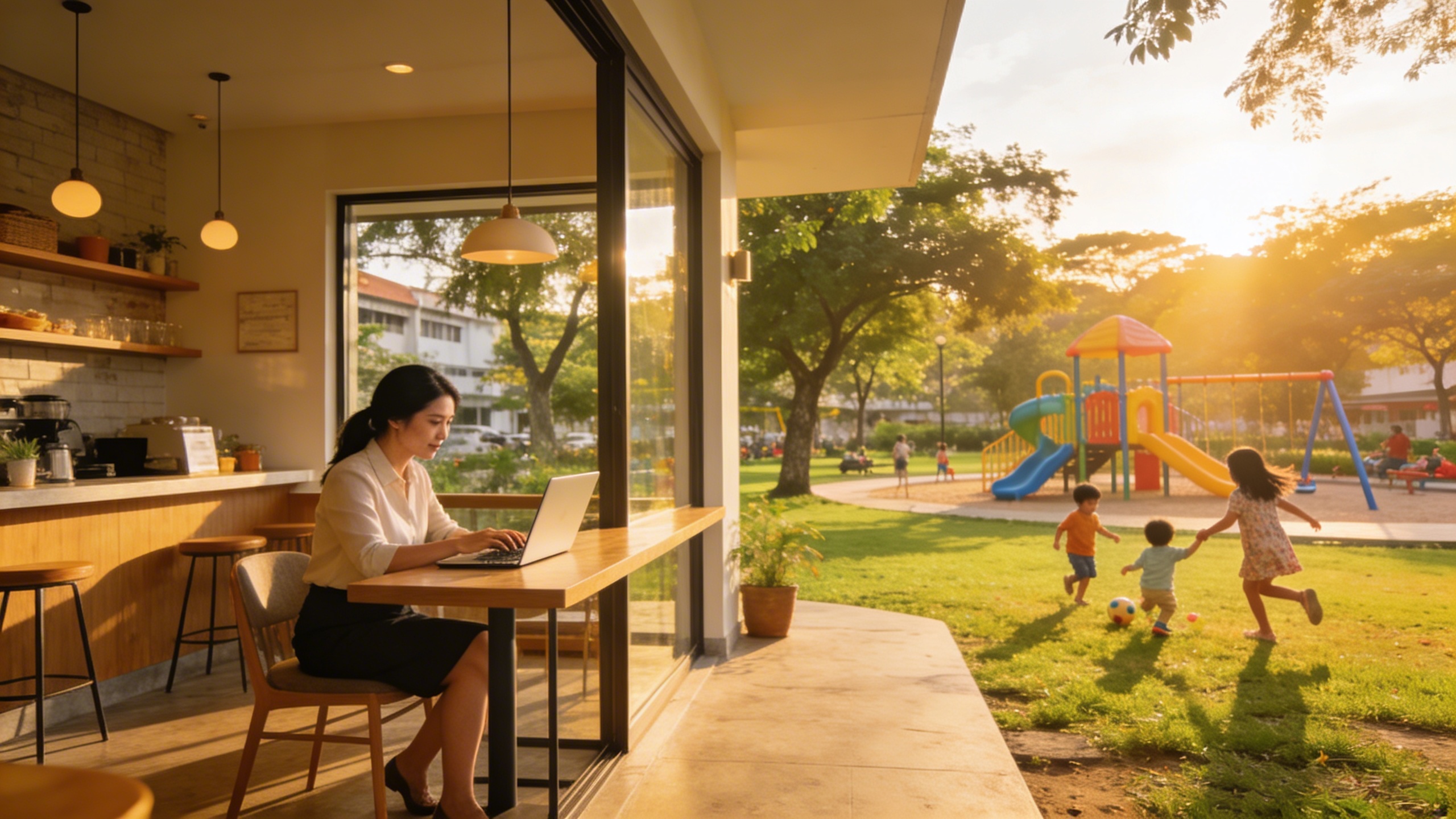
My own concrete relearning was incorporating a Malaysian company. Business negotiations in English, understanding local laws and tax systems, opening a bank account. Everything was a first-time experience. I squeezed it in between school drop-offs and pick-ups, poring over documents in cafes. What I gained from this process was not just business skills. It was an understanding of the local society’s “mechanisms.” This understanding has undoubtedly increased my ability to handle various situations arising in my children’s school life. My communication with teachers also shifted from being merely a parent to approaching it with the perspective of a fellow member of the same society.
Children’s Curriculum and Parental Learning Running in Parallel
In our household, the children’s curriculum and our parental learning run in parallel. Just as Hikari and Zen learn the foundations of IGCSE or IB at their international school, we also learn world-standard business practices and communication. This is no coincidence. If we envision our children aiming for overseas universities and working globally in the future, the parents’ network and insight also need to be updated accordingly. The sight of parents continuously learning is the best education for children. They begin to see studying not as something “forced upon them” but as a “natural act for carving out one’s life.”
Relearning Creates Options for “Advancement,” Not “Retreat”
The risk of “retreat” always looms over education migration. However, when parents accumulate solid learning and achievements locally, this risk transforms. It gives rise to an option not of “retreat,” but of “advancement” to the next stage. For example, based on experience and skills gained in Malaysia, one can consider activities in Singapore or Europe. Or, it’s possible to build a foundation for a dual-life, moving between Japan and Malaysia. Parental relearning is the most reliable investment for increasing the family’s very range of options.
How to Start: Designing Parental Learning from Small Steps
So, how does one start concretely? First, dive into the local community. School parent-teacher associations, local events, hobby circles. Any small setting is fine. Second, practice explaining your own expertise in English. I started by explaining my knowledge as a physiotherapist to local acquaintances. Third, take an interest in the local business environment. Simply observing the economic structures behind prices and service fees can be a significant learning experience. The important thing is not to aim for perfection, but to accumulate small steps.
Education migration is an investment in children’s potential. However, it is simultaneously the greatest investment opportunity in the parents’ own human capital. The setting of Malaysia repays that investment return daily, in the form of family bonds, career expansion, and above all, “the joy of continuous learning.” Watching over the children’s growth while parents also stand on a new stage of learning. I believe the true richness of education migration lies within this cycle of parent-child co-growth.
Comments